Bone Basics
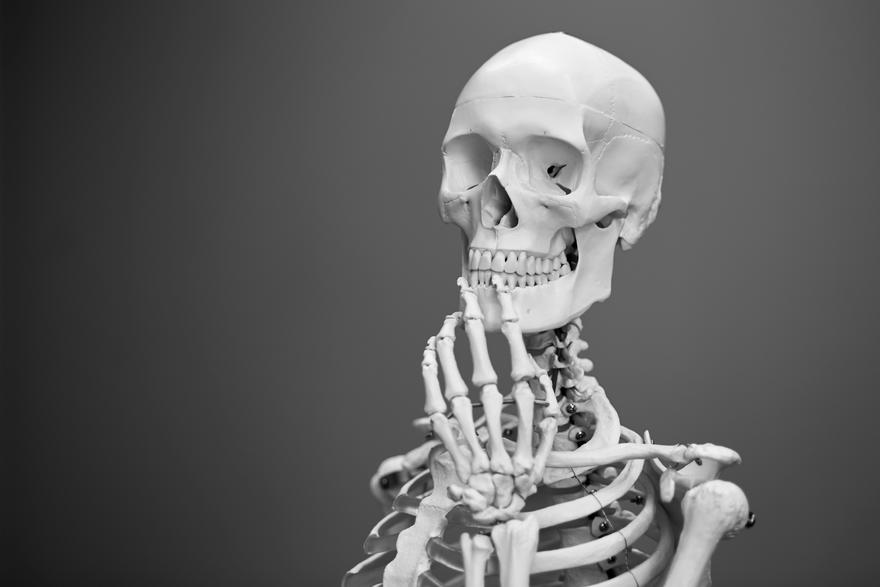
🌿 Bone Health after Menopause: A Naturopathic Guide
Menopause brings many changes — including a shift in hormones that affects bone health. Estrogen plays a protective role in bone remodeling, so as its levels decline after menopause, many women experience accelerated bone loss and increased risk of osteopenia or osteoporosis. This makes nourishing your bones holistically more important than ever. PubMed Central+1
🦴 The Amazing Biology of Bone
Bone isn’t static — it’s a living, dynamic tissue constantly remodeling itself. It’s strongest when its structure is well supported by nutrients and mechanical stress.
Bone’s Composite Structure
Collagen: A flexible protein framework that gives bone tensile strength — the ability to bend slightly without breaking.
Minerals (Hydroxyapatite): Mostly calcium and phosphate crystals that deposit within the collagen matrix to give compressive strength and rigidity.
About 70% of bone’s dry weight is hydroxyapatite mineral, while roughly 30% is organic matrix, mostly type I collagen.
⚡ Why Mechanical Stress Matters — Piezoelectric Nature of Bone
One fascinating feature of bone biology is its piezoelectric response.
💡 What Is Piezoelectricity?
Piezoelectricity is the ability of certain materials to generate electrical signals in response to mechanical stress. Bone does this too — especially due to its collagen structure. Wikipedia+1
Here’s how it works:
As you move, walk, or bear weight, mechanical stress deforms bone.
This deformation causes tiny electrical potentials within the bone matrix.
These electrical signals help stimulate bone-forming cells (osteoblasts) and maintain healthy remodeling. PubMed Central
This means your everyday movement literally sends signals to your bones to stay strong — a beautiful synergy of physics and biology!
🧠 How Bone Remodeling Works
Bone health depends on a balance between:
Osteoclasts – cells that break down old bone, and
Osteoblasts – cells that build new bone.
When estrogen drops after menopause, this balance tilts toward more breakdown than formation — which leads to net bone loss. NCBI
But you’re not powerless! Diet, movement, and lifestyle can shift that balance back toward bone maintenance.
🍽️ Nourishing Your Bones with Diet
Good nutrition is foundational. Here’s how to support healthy bone remodeling:
🥛 Calcium
Your bones are a reservoir of calcium. Adequate dietary calcium helps preserve mineral density. Sources:
Dairy (yogurt, cheese)
Leafy greens (kale, bok choy)
Fortified plant milks
Low calcium intake can increase fracture risk. MDPI
High supplemental calcium overy 1000mg daily increases risk of calcium deposits in arteries (hardens the arteries)
☀️ Vitamin D
Vitamin D improves calcium absorption from the gut and supports bone metabolism. Without enough vitamin D, calcium remains underutilized. MDPI
🥩 Protein
Protein is essential for collagen synthesis — the scaffold where minerals deposit — and helps support muscle mass, which in turn supports bone health. Adequate protein correlates with higher bone mineral density. MDPI
🔬 Other Nutrients
Magnesium & Phosphorus – needed for proper mineralization of bone. MDPI
Vitamin K – supports calcium deposition in bone. PubMed
Flavonoids & plant compounds (from berries, soy, vegetables) may also help protect bone by mimicking estrogen or reducing oxidative stress, though evidence varies. ScienceDirect
🍏 Healthy Dietary Pattern
Focus on whole foods — vegetables, fruit, legumes, lean proteins, and calcium-rich foods — and reduce processed foods, which are linked with lower bone mineral density. Nature
🏃 Move Your Body — Exercise for Bone Strength
Movement and mechanical load are powerful signals to bone cells:
🤸♀️ Weight-Bearing and Resistance Exercise
Activities such as brisk walking, dancing, resistance training, and stair climbing mechanically load the bones and stimulate bone formation. PubMed
High-impact and resistance exercises show greater bone-building effects.
Even walking regularly improves bone remodeling markers. PubMed
🧠 Timing Matters
Some research suggests timing meals around exercise may enhance bone anabolism, with exercise after nutrient intake being more effective in stimulating bone formation. PubMed
📌 Balance and Fall Prevention
Exercise also strengthens muscles and improves balance — vital for fall prevention, which helps reduce fracture risk.
🧘 Lifestyle Tips to Prevent Bone Loss
✔ Keep an active lifestyle with regular strength and weight-bearing activity.
✔ Ensure you get adequate calcium, vitamin D, protein, and micronutrients.
✔ Avoid smoking and limit alcohol — both are linked to bone loss.
✔ Talk to your healthcare provider about bone density screening (DEXA) and personalized strategies.
Holistic care means tending not just to bones, but to hormonal balance, stress, sleep, and overall nourishment — all support your skeletal framework.
📚 References for Further Reading
Here are real scientific sources you can explore:
Exercise and postmenopausal bone metabolism — meta-analysis showing improved bone markers with exercise. PubMed
Dietary supplements (vitamin D, calcium, protein) and bone turnover in postmenopausal women. PubMed
Piezoelectric nature and bioelectrical properties of bone tissues. PubMed Central
Nutrition’s role in bone health and osteoporosis prevention. MDPI
Diet patterns and bone mineral density. Nature
